
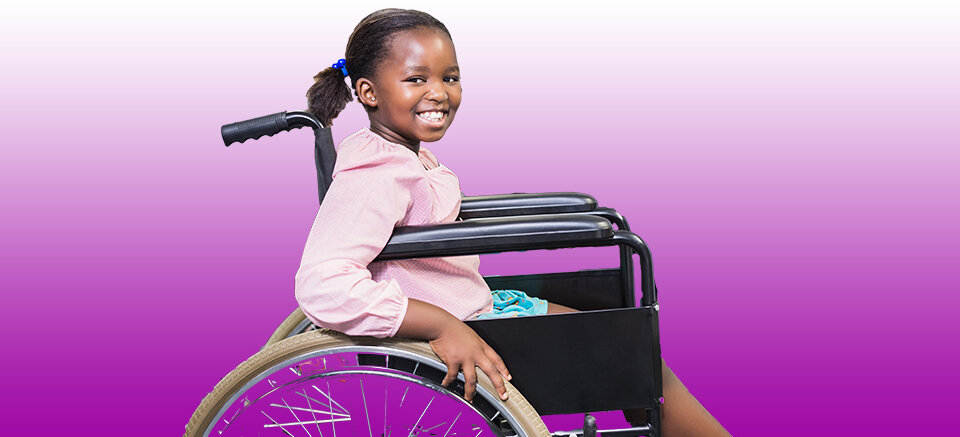
We promote the rights of disabled people across all the services we provide: Employment, Youth, and Advocacy. We ensure that disabled people can make informed decisions about their own lives. We work to see a fairer, more inclusive society and we challenge discrimination if we see it. We work in partnership with other organisations promoting the rights of disabled people because we are stronger together.
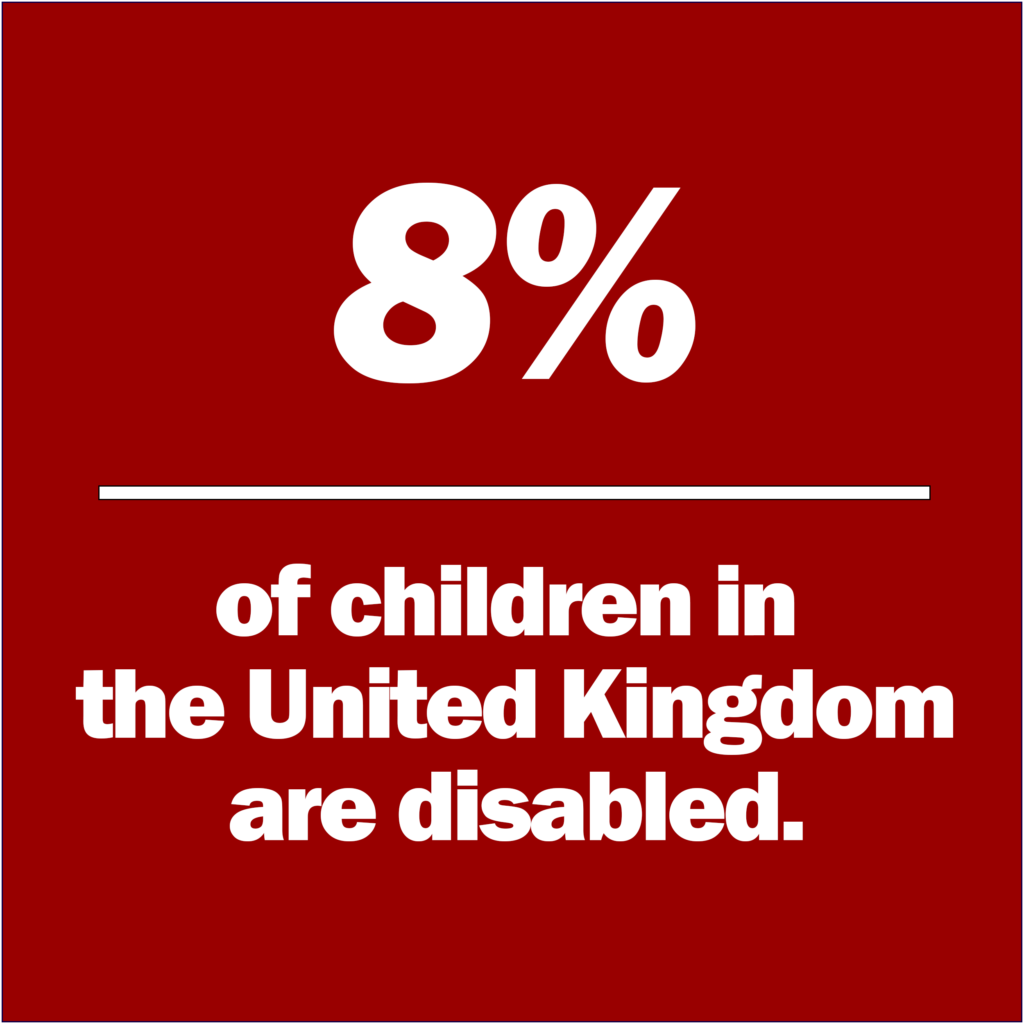

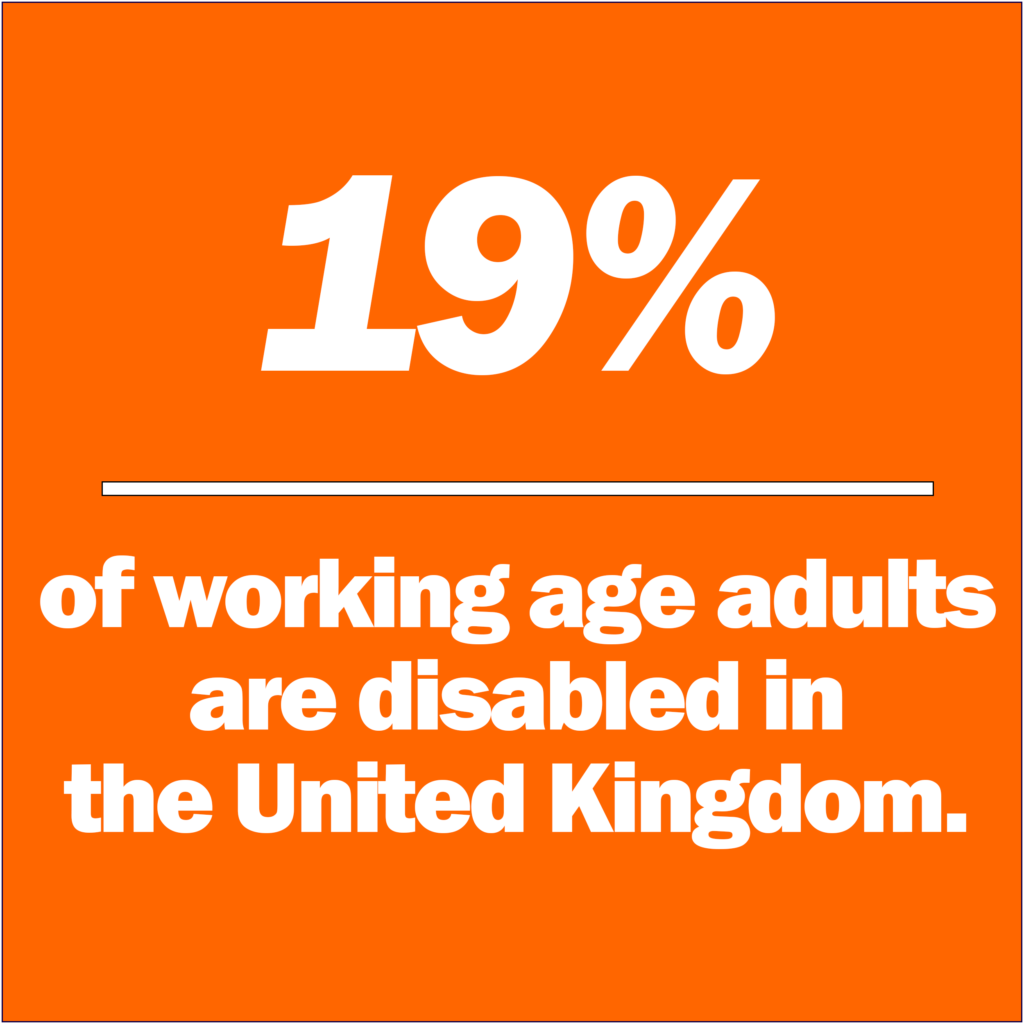
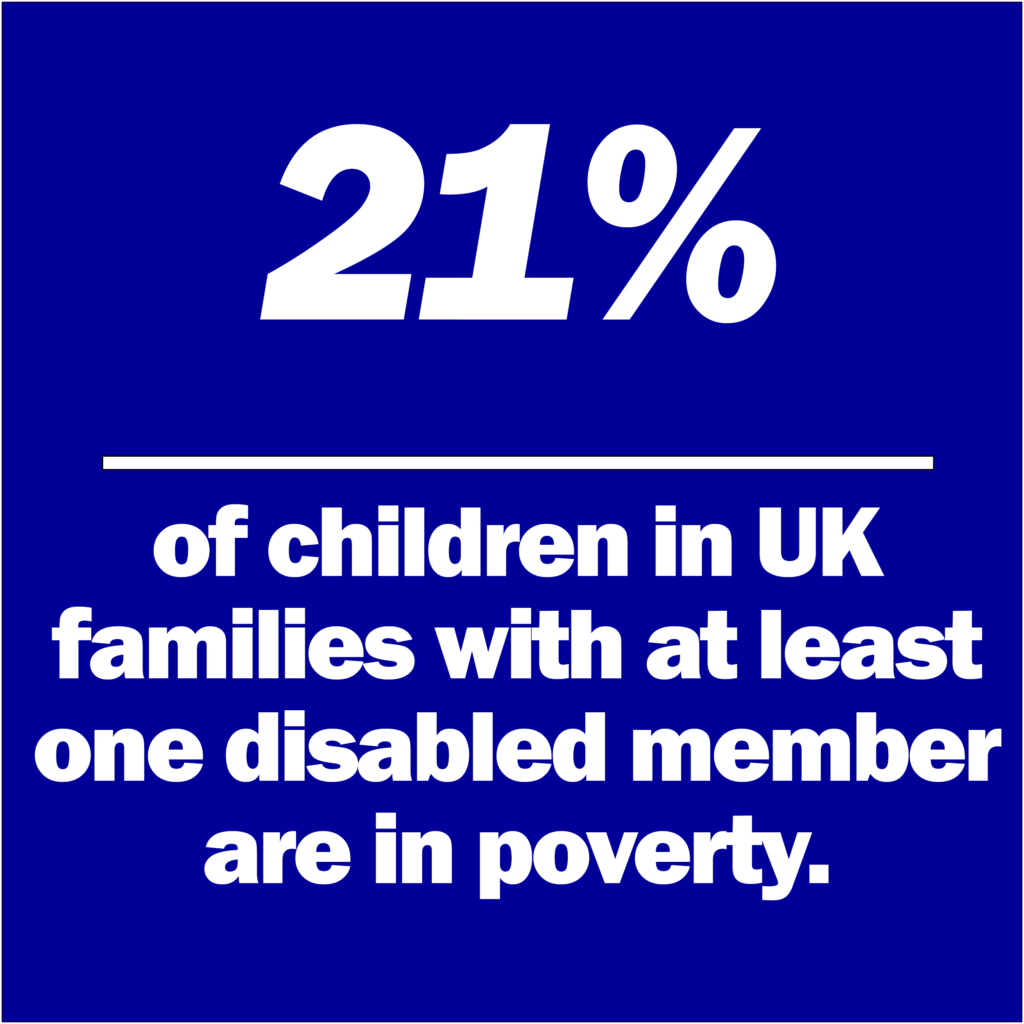
We help people with Disabilities
How we act on disability
We promote the rights of disabled people across all the services we provide: Employment, Youth, Advocacy.
We ensure that disabled people can make informed decisions about their own lives.
We work to see a fairer, more inclusive society and we challenge discrimination if we see it.
We work in partnership with other organisations promoting the rights of disabled people, because we are stronger together.
Objectives and Approach
Influence local and national policy by promoting the rights of disabled people.
Deliver high quality, professional, inclusive and accessible activities which promote independence for disabled people
Increase disabled people’s knowledge and confidence about their rights enabling them to access opportunities and make well-informed choices
Vision and Mission
Our vision, mission, and values guide us in everything we do:
Vision
A society where every young people who have a learning disability will have the choice and control to live the life they choose.
Mission
We will campaign with our members to improve the lives of people who live with learning disabilities. We will work with our customers to create personalised services that reflect our values and enable customers to achieve their goals. We will challenge attitudes to learning disabilities which stop people who have a learning disability living as equal members of society.
Get Support and Information
Youth Aid Council believe that children who have a learning disability deserve the same opportunities in life as every child.
Opportunities to play, learn, make friends, and dream big for the future.
We offer a wide range of support to help make this happen.
Our approach is all about helping you and your child plan the things you want to do in life, supported by the people you want to help you do them. It’s that simple.
We’re here for the whole family and know that a little support can make a big difference – whether it’s at home, at school, in the evenings or over the holidays.
Develop Employment Skills
Gaining the skills and confidence that will help you get a job in the future is an important part of growing up.
Every young person deserves the chance to develop these skills and discover their talents and ambitions.
Every day, enable to work supports young people who have a learning disability to try out different jobs and gain new skills and experience.
Our development programs are all about getting young people ready for work – with support every step of the way.
Please click below to support our campaigns…
The Youth Aid Council to end discrimination and break down the barriers that prevent people who have a learning disability from living as equal members of society.
– Raise Funds to support families who have nowhere else to turn, and create more opportunities for people who have a learning disability to make connections and be active in their communities.
– Provide personalised support that enables people who have a learning disability to find work, develop their skills, and live the life they choose.
Whether you, a family member or someone you care for has a learning disability, we’re here for you. We’re here to listen. We’re here to support. We’re here to help you speak up and be heard.
We support families with disabled children
We advocate on their behalf so that teaching and learning reach all learners, including children with disabilities as diverse learners.
Common Hidden/Invisible disabilities
There are some common hidden/invisible disabilities that prevent many young people to live a better life.
What Are Some Common Hidden Disabilities

- Psychiatric Disabilities—Examples include major depression, bipolar disorder, schizophrenia and anxiety disorders, post-traumatic stress disorder, etc.
- Traumatic Brain Injury – Epilepsy – HIV/AIDS – Diabetes
- Chronic Fatigue Syndrome – Cystic Fibrosis
- Attention Deficit-Disorder or Attention-Deficit/Hyperactivity Disorder(ADD/ADHD)
- Learning Disabilities (LD)
- Medical conditions associated with hidden disabilities. Examples include short or long term, stable or progress, constant or unpredictable and fluctuating, controlled by medication and untreatable.
Please Support The Youth Aid Council To Help Young People With Disabilities…
What do Hidden Disabilities have in common

- One is unable to “see” the disability.
- There are no “visible” supports to indicate a disability such as canes, wheelchairs, use or sign language used.
- It is a permanent disability that they cope with on a daily basis.
- The disability may be managed through medication or behavior such as in the case of diabetes, asthma, epilepsy or psychiatric disorders.
- It needs to be a documented disability in order to receive reasonable accommodations under the ADA.
- The person is in some kind of physical or emotional pain.
Please Support The Youth Aid Council To Help Young People With Disabilities…
Challenges Faced by Young People with a hidden disability

- They may not know they have a disability or regard themselves as such.
- They may not have been diagnosed.
- They may not know what they need.
- They may know what they need, but are unable to articulate it.
- They may often feel misunderstood or may feel ignored or feel invalidated.
- They may suspect something is wrong, but not know what it is or how to fix it.
Please Support The Youth Aid Council To Help Young People With Disabilities…
How hidden disabilities Impact on Students

- Cause fatigue or pain.
- Cause sleep problems, seizures, incontinence or dizziness.
- Interfere with concentration and stamina (including medications that are used to treat them).
- May be well and coping one week and absent from your classes the next.
- Experience difficulties meeting deadlines or participating in group work.
- Inability to arrange medical appointments or regular treatments that do not clash with classes.
Please Support The Youth Aid Council To Help Young People With Disabilities…